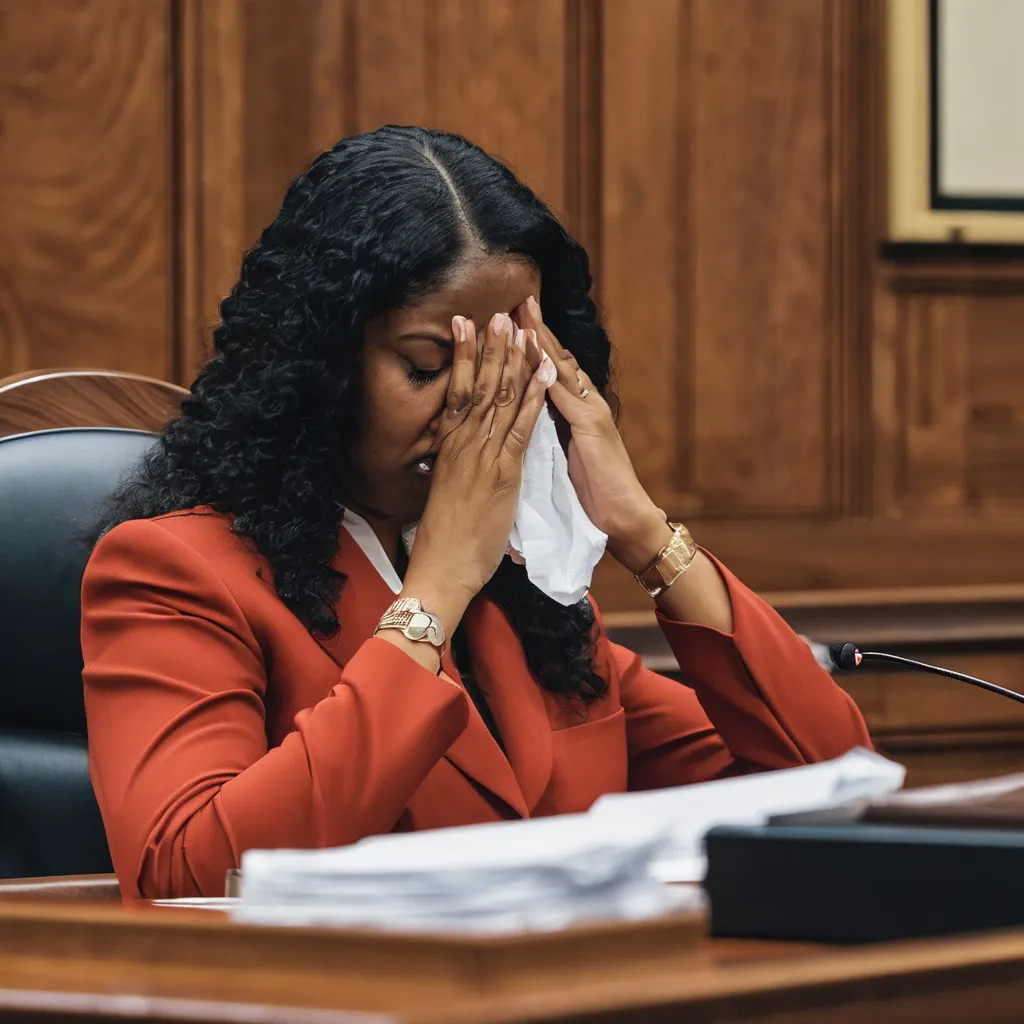
The Plea Bargain Trap: What They Don't Tell You
The Plea Bargain Trap: What They Don't Tell You
Nov 02, 2024
Criminal Law Education
The Plea Bargain Trap: What They Don't Tell You--The Truth About Why 97% of Cases End in Pleas
Let me tell you something that keeps me up at night: Every day, innocent people plead guilty to crimes they didn't commit. And I'm not talking about a few isolated cases - I'm talking about a systematic pressure cooker designed to make you give up your right to trial.
The Reality Nobody Talks About
Here's a story that'll make your blood boil. James (not his real name) spent three months in jail because he couldn't afford bail. The prosecutor offered him a plea deal: plead guilty, get time served, go home today. Fight the case? Face three years if convicted. James had kids at home, a job he was about to lose, and bills piling up.
Guess what he did?
The Pressure Cooker
Let's talk about how the system really works, not what you see on TV:
The Prosecutor's Playbook:
✓ "This offer expires today"
✓ "The judge is tough on these cases"
✓ "You're looking at maximum time"
✓ "Your lawyer doesn't know what they're doing"
✓ "Everyone else takes the deal"
And it is often not just the prosecutor running this scam on the accused. The defense attorney also sings from the same hymnal.
If everyone were given their rights, like the rich and powerful, the system would crash. Not enough courts, judges, prosecutors, and defense attorneys are available to extend the full panoply of rights that the Constitution guarantees to everyone equally.
The Hidden Consequences: What They "Forget" to Tell You
Let's get real about what a guilty plea really means - because it's so much more than just doing your time or paying a fine. This is the conversation your prosecutor definitely won't have with you.
You alone live with the consequences of bad advice or a plea deal sold to you without full disclosure of all the consequences that flow from the plea.
I cannot tell you how often a client comes in with a charge and wants to re-litigate the previous two charges that he pleaded to, claiming he was innocent and could prove it, but the court-appointed attorney forced him to plead guilty and waive his rights in exchange for a reduced sentence.
Beyond The Sentence
Picture this: You took the "sweetheart deal"—probation, no jail time. Sounds good, right?
Fast forward five years:
• Can't get an apartment
• Lost your dream job opportunity
• Student loans denied
• Professional license revoked
• Can't coach your kid's soccer team
This does not even include all the extra fees and penalty charges the state legislatures pile on for those with criminal convictions each year. Convicted criminals are not organized; they have no lobbyists or representatives fighting to restore their rights.
In many jurisdictions, felony convictions disfranchise you for life. It does not matter what the facts or circumstances were; it does not matter if you can prove your innocence. You are a convicted felon who no longer has any right to protect themselves, and in many states, no right to vote.
Real Talk: Sarah's Story
"They said it was just a misdemeanor. They didn't tell me my nursing license would be suspended. Ten years of education and career building - gone over a plea I took just to get home to my kids."
The REAL Cost of Pleading Guilty:
Employment Impact:
• Background check fails
• Job application rejections
• Career field restrictions
• Security clearance issues
• Income potential cut
Housing Nightmares:
- Section 8 disqualification
- Private rental rejections
- Mortgage complications
- Insurance rate hikes
- Neighborhood restrictions
Pro Tip: Before considering that plea, ask yourself, "What will my life look like in five years with this on my record?" It is your responsibility to research the consequences of your decisions. No attorney will do that for you because most do not know all the consequences. You are the one who will be left holding the bag and suffer the consequences of the plea deal even if you were not fully informed.
The Time Pressure Game
Here's something sneaky attorneys do: Create artificial urgency.
Common Pressure Lines:
"This offer is only good today."
"The judge is about to leave."
"I'm filing additional charges tomorrow."
"My supervisor is reviewing the case."
"The victim wants maximum charges."
Truth Bomb: Most of these "deadlines" are entirely made up. It's like a car salesman saying, "This price is only good today!" Except this isn't about a car - it's about your life.
The more you know about the traps, the better you can avoid them.
The Power of Patience: Your Strongest Weapon
Listen, I know it's terrifying when you're in the hot seat. But here's something they don't want you to know: Time is often on your side, not theirs.
The Truth About Case Strength
Remember this: Prosecutors start with their most substantial offer when their case is weakest. Think about that for a second. Why rush you if they've got an airtight case? Here's what they don't want you to think about:
- Evidence gets weaker over time, not stronger
- Witnesses' memories fade
- Video footage sometimes "disappears"
- Officers transfer or retire
- New evidence might surface in your favor
Breaking Down Your Options
Let's talk strategy. Not the kind you see on TV, but real-world moves that could save your future. Let me share a secret: Most attorneys fail to get the evidence before coercing you into a plea bargain. Most people do not know they have a right to see all the evidence against them before deciding whether to plead.
Unfortunately, in corrupt jurisdictions, judges do not require prosecutors to turn over evidence until just before the trial. I have tried cases where the corrupt judge and prosecutor conspired to convict and did not allow us to see the evidence until less than two weeks before trial. The prosecutor still withheld the exculpatory evidence.
You must remember that corrupt conspiracies are easy to pull off when the judge, prosecutor, and law enforcement officers have immunity. In addition to the back hallways and dark offices, the judges have more privacy than anyone else for their communications, emails, text messages, and meetings.
Additionally, when you are convicted or conned into pleading guilty in corrupt jurisdictions, you cannot sue the defense attorney for malpractice, fraud, or other reasons.
It is a racket, and you are the ball.
Your only weapon is the robust and thorough discovery of all the evidence and witnesses as soon as possible after the incident or arrest.
The Power Play: Discovery Demands
Here's a secret weapon: Demand every piece of evidence. Every. Single. Piece. Why?
Because:
- You might find holes in the case
- Evidence might be missing
- Policies, protocols, and procedures might've been broken
- Witness statements might conflict
Remember Maria's case? The prosecution was pushing hard for a quick plea on a shoplifting charge. But when we demanded the security footage, they suddenly became less confident. It turns out that the camera angle didn't show what they claimed it did.
Unfortunately, most defense attorneys simply believe whatever the prosecutor tells them without viewing the evidence themselves. Certainly, the judge will believe the prosecutor. So, three attorneys against one of you is devastating. you must arm yourself with the evidence, with or without the cooperation of an attorney.
The Real Negotiation Playbook
Stop thinking about plea deals like a game of "take it or leave it." Here's what actually works:
1. Information Is Power
- Get all the evidence first
- Know your real exposure
- Understand collateral consequences
- Research similar cases
- Know the judge's tendencies
2. Build Your Leverage
- Gather character letters
- Start counseling if relevant
- Document community service
- Fix underlying issues
- Collect evidence of stability
3. Alternative Solutions
Ever heard of pre-trial intervention? Diversion programs? Deferred Adjudication? Conditional dismissals?
Many prosecutors won't mention these options unless you ask. They exist in most jurisdictions for first-time offenders and sometimes even for those with records.
There are so many choices and options available. You can even negotiate a reduction of the charge from a felony to a misdemeanor in exchange for a plea, especially pre-indictment. Any defense counsel worth his salt would work on a plea arrangement before the prosecutor takes it to a grand jury.
The Family Factor: Making the Right Choice
Let's be real - this isn't just about you. Your decision affects your whole family. But here's the thing: A quick plea to "get it over with" might hurt them more in the long run.
Consider This Before Pleading:
- Will you be able to support your family with a record?
- How will this affect your kids' future?
- Can you handle the long-term restrictions?
- What opportunities are you giving up?
Success Story: The Power of Standing Firm
Meet Carlos (name changed). He spent three months in pre-trial detention, facing serious charges. The prosecution offered 5 years. Everyone pushed him to take it. "You'll get 20 if you lose at trial," they said.
He stood firm. Demanded discovery. He waited it out.
Result? Case dismissed. Why? Key evidence was mishandled. Would he have known that if he'd taken the first plea? Never.
Your Action Plan: Practical Steps
1. Slow Everything Down
- Don't rush to decide
- Get everything in writing
- Review all evidence thoroughly
- Understand ALL consequences
2. Build Your Defense
- Document everything
- Keep a case diary
- Save all communications
- Gather supporting evidence
3. Know Your Worth
- Research similar cases
- Understand standard offers
- Know available programs
- Track prosecution patterns
The Bottom Line
The system is designed to make you feel powerless, rushed, and scared. But knowledge is power, and you have more options than they want you to think.
Arm yourself with knowledge; knowledge is your only power. The more you know, the more evidence you see, the more witnesses you hear, the better your decision will be. Do not go blind into the darkness and hope just to glide through.
Do not surrender your power or allow the court to confiscate your rights and turn them over to an attorney who will trade, bargain away, or forfeit those valuable rights that many men and women have died to protect. They are your shield and sword. You should not lightly discard them or lay them down without a good and sufficient reason.
Remember:
- Most "deadlines" are artificial
- Better offers often come later
- Your rights matter, and they are precious and protective
- Your future matters more than their conviction rate
Take it from someone who's seen this play out thousands of times: The worst deals are usually the first ones offered. Your freedom, future, and family's well-being are worth fighting for.
Next, we'll dive into specific negotiation tactics and how to use them effectively. Stay tuned.
The Art of Negotiation: Real Tactics That Work
Let's get into the nitty-gritty of how actually to handle these negotiations. Because let's face it - this isn't a skill they teach in school, but it might be the most important conversation of your life.
Reading Between the Lines
First, let's decode what prosecutors really mean when they say certain things:
"This is the best offer you'll get."
→ Translation: We might have problems with our case
"We have overwhelming evidence."
→ Translation: Let's see the discovery first
"The judge always gives maximum time."
→ Translation: We're hoping you won't check the stats
"The victim is pushing for jail time."
→ Translation: The victim might not even show up to trial
The Smart Negotiator's Toolkit
1. The Pre-Negotiation Checklist
Before you (or your lawyer) step into any plea discussions, make sure you:
- Have reviewed ALL discovery materials
- Know your exact criminal history (if any)
- Understand the real-world consequences of your specific situation
- Have documented mitigating factors
- Know what programs you qualify for
2. Leverage Points That Work
Remember Jenny? She was facing a felony drug charge. Instead of rushing to plead, she:
- Enrolled in rehab voluntarily
- Got a steady job
- Started counseling
- Documented everything
- Waited for toxicology results
Result? Charges reduced to a misdemeanor with a diversion program. Clean record after completion.
The "Clean-Up" Strategy
Most people don't think about this: Sometimes, the best negotiation happens before charges are even filed. I call this the "Clean-Up" strategy:
1. Fix What You Can Fix
- Outstanding tickets? Handle them.
- Is restitution possible? Pay it.
- Is community service available? Start it.
- Is Counseling needed? Begin it.
- Is documentation missing? Get it.
2. Document Everything
- Keep receipts
- Take photos
- Get certificates
- Save emails
- Record dates and times
When to Stand Strong
Some red flags that should make you think twice about accepting a plea:
🚩 No discovery provided
🚩 Rushing you to decide
🚩 Threats of additional charges
🚩 "Today only" offers
🚩 Refusing to consider alternatives
The Alternative Resolution Playbook
Let's talk about options they might not mention:
1. Diversion Programs
- Pre-trial intervention
- Drug court
- Mental health court
- Veterans' court
- First offender programs
2. Civil Compromises
Some jurisdictions allow civil compromises for certain offenses. This means:
- Case gets dismissed
- You make things right with the victim
- No criminal record
- Everyone wins
3. Deferred Prosecution
- Charges held in abeyance
- Complete conditions
- Case dismissed
- Record preserved
The Long Game: Playing It Smart
Remember Marcus? Facing serious felony charges, the prosecutor offered 10 years. Everyone said to take the deal. Instead, he:
1. Gathered Evidence
-
Pulled surveillance footage
- Located witnesses
- Located witnesses
- Collected phone records
- Documented alibis
2. Built His Case
- Character letters
- Employment history
- Community involvement
- Expert opinions
3. Waited It Out
- Rejected early offers
- Demanded full discovery
- Filed strategic motions
- Prepared for trial
Result? The case was reduced to a misdemeanor with probation. Why? Because he played the long game.
Your Rights Matter: Know Them, Use Them
Quick reality check - you have these rights:
- Right to see the evidence
- Right to challenge evidence
- Right to present evidence
- Right to negotiate
- Right to go to trial
- Right to be fully informed about the state of the evidence and consequences
The Bottom Line: Your Future Is Worth Fighting For
Remember:
- Most cases get better with time, not worse
- Early offers are usually the worst offers
- Pressure tactics are just that - tactics
- You have more power than they want you to think
- Your future is worth protecting
Next Steps: Your Action Plan
1. Gather Information
- Get all case documents
- Research your charges
- Understand consequences
- Know your options
2. Build Your Position
- Start rehabilitation if needed
- Document everything
- Gather support letters
- Prepare mitigation
3. Stay Strong
- Don't let pressure rush you
- Know your worth
- Understand your rights
- Think long-term
Next, we'll examine specific case studies and success stories that demonstrate these strategies in action. I'll also share a detailed checklist you can use to evaluate any plea offer.
Because here's the truth: The system counts on you feeling powerless. But you're not. You have options, you have rights, and you have the power to fight for your future.
Real Stories, Real Results: When Standing Firm Pays Off
Let's examine some real cases (names changed for privacy) that show exactly how these strategies work in the real world. Nothing beats learning from those who've been there.
Case Study #1: The Rushed DUI
Lisa's Story
- Initial Offer: 30 days jail, 1-year license suspension
- Pressure Point: "Offer expires at arraignment."
- Red Flag: No blood test results in discovery
Lisa was terrified. First offense DUI, prosecutor pushing hard for a quick plea.
"Blood tests show you were over the limit," they said. But here's the thing - we hadn't seen those test results yet.
What She Did:
- Refused the initial plea
- Demanded complete discovery
- Enrolled in alcohol education
- Documented medical conditions
- Gathered character letters
Result: Three months later, blood test results showed contamination issues. The case was reduced to reckless driving. There was no jail time and no license suspension.
Lesson: Never plead before seeing ALL evidence.
Case Study #2: The Shoplifting Setup
David's Story
- Initial Offer: Felony theft, 2 years probation
- Pressure Point: "Security video proves everything."
- Red Flag: The prosecutor wouldn't show the video before the plea.
David, a store employee, is accused of helping friends steal. The store claimed the video showed him intentionally leaving the back door open.
Strategic Response:
- Filed motion for video preservation
- Demanded loss prevention reports
- Gathered work schedules
- Collected coworker statements
- Documented store policies
Result: The video showed a door malfunction reported weeks earlier. Case dismissed.
Lesson: Evidence isn't always what they claim it is.
The Ultimate Plea Deal Evaluation Checklist
Let's break down exactly how to evaluate any plea offer. Print this out. Keep it handy.
1. Evidence Assessment
- [ ] Have you seen ALL the discovery, including witness statements?
- [ ] Are there witness statements?
- [ ] Does physical evidence exist?
- [ ] Are there videos/photos?
- [ ] Are there inconsistencies?
2. Collateral Consequences
- [ ] Employment impact?
- [ ] Housing restrictions?
- [ ] Immigration status?
- [ ] Professional licenses?
- [ ] Education/loans?
- [ ] Travel limitations?
- [ ] Voting rights?
- [ ] Gun ownership?
3. Long-term Impact
- [ ] Background check effects?
- [ ] Future employment?
- [ ] Family implications?
- [ ] Financial impact?
- [ ] Record sealing possible?
4. Alternative Options
- [ ] Diversion programs?
- [ ] Treatment courts?
- [ ] Civil compromise?
- [ ] Deferred prosecution?
- [ ] Probation before judgment?
The "What If" Game: Playing Out Scenarios
Before accepting any plea, play out these scenarios:
Scenario Planning Worksheet
1. If I Take This Plea:
- Next week: _____
- Next month: ___
- Next year: ____
- Five years: ___
- Ten years: ___
- If I Fight The Case:
- If I Fight The Case:
- Best outcome: __
- Worst outcome: ____
- Most likely: __
- Time to resolution: ____
- Cost to fight: ____
Success Story: The Importance of Patience
Michael's Journey
Started with:
- Felony charges
- 5-year offer
- "Today only" deadline
- Threat of additional charges
Ended with:
- All charges dismissed
- Record sealed
- Job preserved
- Freedom maintained
How? Patience and preparation.
1. Month One:
- Rejected initial offers
- Gathered evidence
- Started counseling
2. Month Three:
- Found inconsistencies
- Built character evidence
- Documented alibi
3. Month Six:
- Case dismissed
- No record
- Life preserved
Your Rights: A Final Reminder
You have the right to:
- See ALL evidence, including witness statements
- Challenge that evidence
- Present your own evidence
- Negotiate terms
- Go to trial
- Take time to decide
- Have all the evidence before you decide
The Power of NO: When to Walk Away
Sometimes, the best negotiation tactic is being willing to walk away. Red flags that should make you say "No":
🚫 Pressure to decide immediately
🚫 Missing evidence
🚫 Unclear consequences
🚫 Hidden conditions
🚫 Unreasonable restrictions
Moving Forward: Your Action Steps
1. Immediate Actions
- See ALL evidence, including witness statements
- Get case documents
- Start documentation
- Research consequences
- Consider alternatives
2. Build Your Position
- Gather support letters
- Address underlying issues
- Document everything
- Prepare evidence
3. Protect Your Future
- Know your rights
- Understand implications
- Consider long-term effects
- Plan for success
Remember: The system needs you to cooperate and plea bargain. It is designed to make you feel powerless and rushed. But you have more power than you think. Use it wisely.
Because here's the truth: The plea bargain trap is real, but it's not inescapable. You have options, you have rights, and you have the power to fight for your future.
Stay strong. Stay informed. Stay prepared.
Standing Strong: Your Survival Guide to Pressure Tactics
Let's wrap this up with something crucial: How to handle the intense pressure you'll face and how to build the support system you need to get through this.
The Pressure Playbook: What They'll Try and How to Handle It
1. The Time Pressure Game
What they'll say:
- "This offer expires at noon"
- "Judge won't be here tomorrow"
- "Grand jury meets next week"
Your Response Strategy:
- Request everything in writing
- Ask for specific reasoning
- Document all conversations
- Remember: Real deadlines are court dates, not artificial ultimatums
2. The Fear Factor
What they'll say:
- "You'll get maximum time."
- "Judge hates these cases."
- "You'll never win at trial"
Your Power Moves:
- Request statistics on similar cases
- Research actual sentencing patterns
- Document every conversation
- Keep a pressure diary
Building Your Support System
1. Your Inner Circle
Create your support team:
- Trusted family members
- Close friends
- Religious/spiritual advisors
- Mental health professionals
- Support groups
Pro Tip: Choose people who support your long-term interests, not just those who tell you what you want to hear.
2. Professional Support Network
Consider adding:
- Social worker
- Counselor
- Financial Advisor
- Career counselor
- Legal advocate
The Mental Game: Staying Strong
Daily Survival Strategies
1. Morning Routine
- Review your case facts
- Read your rights
- Remember your worth
- Focus on long-term goals
2. Pressure Moments
- Take deep breaths
- Request break time
- Write everything down
- Call support person
- Review your checklist
Resource Guide: Where to Get Help
Legal Resources
- Public Law Libraries
- Public Defender Resources
- Legal Aid Organizations
- Bar Association Referrals
- Law School Clinics
- Online Legal Databases
- BackpocketLawyer.com
Support Services
- Counseling Centers
- Crisis Hotlines
- Support Groups
- Advocacy Organizations
- Community Centers
- Facebook.com/backpocketlawyer
Success Story Updates: Where Are They Now?
Sarah
- Rejected initial plea
- Found program violation
- Case dismissed
- Nursing license preserved
- Now helps others fight
James
- Stood firm despite pressure
- Got alternative program
- Record sealed
- Family intact
- Career advancing
Long-Term Protection Strategies
1. Record Protection
- Know sealing timelines
- Document completion dates
- Keep all court papers
- Monitor your record
- Know your rights
2. Career Protection
- Understand reporting requirements
- Know your rights
- Build professional references
- Document rehabilitation
- Plan career path carefully
The Emergency Response Kit
Keep these ready:
1. Case File Folder
- All court documents
- Officer names/badges
- Witness information
- Timeline of events
- Communication log
2. Support Contact List
- Legal team
- Family contacts
- Support services
- Crisis numbers
- Advocacy groups
3. Rights Reference Sheet
- Miranda rights
- Court procedures
- Plea requirements
- Appeal deadlines
- Program options
Final Thoughts: Your Freedom Matters
Remember these core truths:
1. You Have Power
- Right to remain silent
- Right to see evidence
- Right to fight back
- Right to take time
- Right to say no
2. You Have Options
- Alternative programs
- Treatment courts
- Diversion options
- Fighting the case
- Building evidence
3. You Have Worth
- Beyond this case
- Beyond their offers
- Beyond their pressure
- Beyond their threats
- Beyond this moment
Your Next Steps
1. Immediate Actions
- Create your case file
- Build support team
- Document everything
- Know your deadlines
- Research options
2. Weekly Tasks
- Review case materials
- Update documentation
- Check on programs
- Contact support team
- Monitor progress
3. Monthly Goals
- Evaluate position
- Update strategy
- Build evidence
- Strengthen support
- Plan ahead
In Conclusion: The Truth About Plea Bargains
The system isn't designed for justice - it's designed for pleas. But you don't have to be another statistic. You have:
- Rights to assert
- Options to explore
- Time to think
- Power to fight
- Worth to protect
Remember: Every person who stood up to pressure, fought back, and protected their rights started exactly where you are now. The difference? They refused to be rushed, pressured, or scared into giving up their rights.
You can do the same.
Stay strong. Stay informed. Stay focused.
Your future is worth fighting for.
Final Thought: You have far more power than you think. You just need help finding your voice and learning to advocate for yourself. Our book on "Advocacy" will do just that. To believe in yourself, our guide "Can I Do That?" will show you how to do this. Every choice has its own set of consequences, so choose wisely. "Pretrial Preparation" and "AI Assistance GPT" will help you with pretrial discovery, gathering evidence, and obtaining witness statements.
Stay strong,
Liberty
Backpocket Lawyer
LegalDefense #KnowYourRights #LegalChoices #PleaBargain #MakeADeal #ProSe #DIYLaw
Quick Reference Box:
Get the evidence
Know what witnesses will actually say
Consider all options
Know the full consequences of each choice
Choose and make it happen
Need More Help?
✆ Post: Facebook.com/backpocketlawyer
✉ Email: [email protected]
💻 Visit: BackpocketLawyer.com
Download the free guide "Can I Do This?"
Invest in our Trilogy offering, which includes Courtroom Decorum, Pretrial Preparation, and AI Assistance GPT.
Or invest in the full introductory series, which includes Courtroom, Decorum, Pretrial Preparation, AI Assistance GPT, Advocacy, and Post-Trial and Appeal.
About the Author: This guide comes from years of seeing both sides of the system - the pressure to plead and the power of standing firm. Share it. Use it. Fight back.
Need Help? Check our website for more resources to provide support and guidance.
Important Notice
This blog post is for informational purposes only and is not legal advice. Always consult with a qualified legal professional about your specific situation.