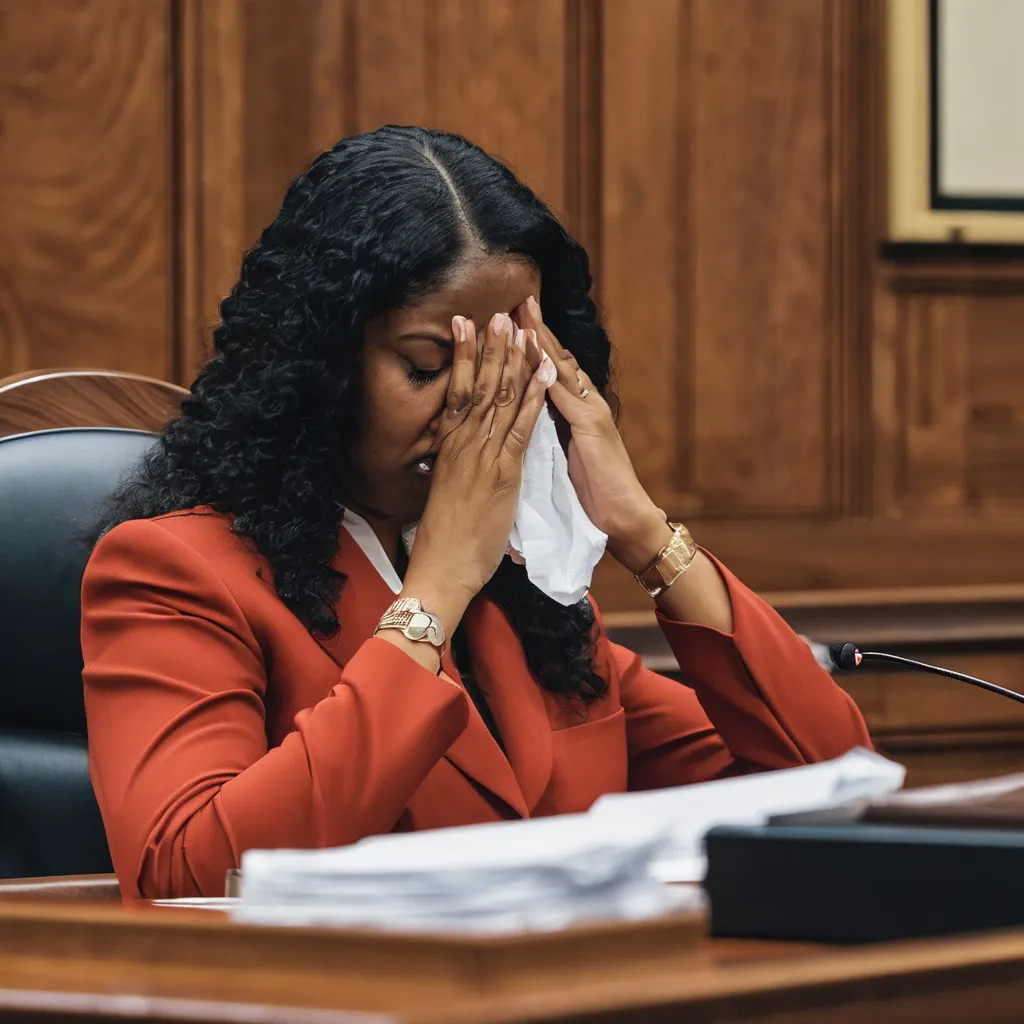
The First 24 Hours After Arrest: A Survival Guide
The First 24 Hours After Arrest: A Survival Guide
Oct 31, 2024
Criminal Law Education
The First 24 Hours After Arrest: A Survival Guide
Let's discuss something nobody wants to think about, but everyone should know. The first 24 hours after an arrest are critical, and what you do (or don't do) during this time can literally change your life. I've spent over 30 years in the legal field, and I can't tell you how many times I've seen good people make simple mistakes that cost them dearly.
Why These 24 Hours Matter So Much
Think of the first 24 hours as the foundation of a house. Everything that happens in your case gets built on top of what happens right now. Get this part wrong, and the whole thing can collapse. Get it right, and you're giving yourself the best possible chance at a good outcome.
The Moment of Arrest: Your First Critical Minutes
Let's start with the moment those lights flash or that knock comes at the door. Your heart's racing, your mind's spinning, and you might feel like everything's falling apart. Take a deep breath. Here's exactly what you need to do:
Stay Calm (Yes, It's Possible)
I know, easier said than done. But here's a trick: focus on your breathing. In through your nose for four counts, out through your mouth for four counts. This isn't just feel-good advice - a clear head makes better decisions, and better decisions keep you safer.
The Power of Your Hands
Keep them visible at all times. I can't stress this enough. In the heat of the moment, sudden movements can escalate a situation faster than you can imagine. Place them on the steering wheel (if you're in a car) or where officers can see them clearly.
Document Everything (Even When It Seems Impossible)
"But Liberty," you might be thinking, "how can I document anything when I'm being arrested?" Here's the trick: start creating a mental log. Notice everything. Officer names, badge numbers, times, what's said. Your memory is freshest now, and these details might be crucial later.
The Magic Words
There are exactly three phrases you need to know right now:
- "I am exercising my right to remain silent."
- "I want to speak with an attorney."
- "I do not consent to any searches."
That's it. Don't elaborate, explain, or try to be helpful. I've seen too many people think they can talk their way out of a situation only to talk themselves into a worse one.
The Booking Process: What Really Happens
Let's demystify what comes next. The booking process can feel dehumanizing, but understanding it helps you maintain your composure and your rights.
What They'll Do:
- Take your fingerprints
- Photograph you
- Inventory your personal property
- Ask health screening questions
- Assign you to a cell
What You Should Do:
- Remain respectful but quiet
- Request needed medications
- Note any medical needs
- Ask for necessary accommodations
- Remember: every interaction is being recorded
Making The Right Calls: Your Lifeline to the Outside World
Here's a truth bomb: that phone call isn't just a courtesy - it's your lifeline. But here's what TV gets wrong: you might get more than one call, but every single one of them is probably being recorded. Let's make them count.
Who to Call (In Order of Priority)
1. Your Most Resourceful Family Member
Not necessarily your closest relative, but the one who can:
- Stay calm under pressure
- Follow instructions carefully
- Access funds if needed
- Contact others effectively
- Get things done
Quick Tip: Have a conversation with your family NOW about what to do in an emergency. Don't wait until you're in custody to create a plan.
2. Your Attorney
Don't have one? This is why we created the Backpocket Lawyer community. But whether you call us or another attorney, here's what to say:
- Your name and location
- The fact that you've been arrested
- That you're invoking your right to counsel
- Nothing else about your case
The Phone Call Rules That Could Save You
Listen closely, because this is crucial: Every. Call. Is. Recorded. I've seen prosecutors play jail calls in court more times than I can count. Here's your script:
DO Say:
"I've been arrested"
"I'm at [location]"
"Please contact [attorney name]"
"Take care of [urgent family matters]"
DON'T Say:
- Anything about what happened
- Any details about your case
- Any apologies or explanations
- Anything you wouldn't want played in court
Dealing with Police Questions: The Art of Staying Silent
Let's talk about one of the hardest things you'll ever do: keep quiet when every instinct is screaming at you to explain yourself.
The Interrogation Room Reality Check
First, understand this: interrogation rooms are designed to make you talk. The bare walls, the uncomfortable chair, the time pressure - it's all intentional. Here's what they might try:
The "We Just Want to Help" Approach
They might say: "If you explain your side, we can help you."
Reality Check: They can't and won't help you. Only your lawyer can do that.
The "Your Friend Already Told Us" Trick
They might say: "We already know what happened."
Your Response: Continued silence and "I want my attorney."
The Time Pressure Game
They might say: "This is your only chance to help yourself."
Truth: You can tell your story later, with your attorney present.
Your Unshakeable Response Plan
Here's your mantra - memorize it:
"I am asserting my right to remain silent and I want to speak with my attorney."
Notice what this doesn't include:
- No "sorry"
- No "I didn't do it"
- No "let me explain"
- No "just one thing"
Remember: You can't talk your way out of an arrest, but you can definitely talk your way into a conviction.
Preparing for Your First Court Appearance: Making the Right First Impression
Let's talk about your first court appearance, or as we call it in the legal world, your arraignment. This might be your first time in front of a judge, and yes, it matters how you present yourself. I've seen judges make snap decisions based on a defendant's demeanor, so let's get this right.
Timing and What to Expect
Usually, you'll see a judge within 24-48 hours of arrest. It might feel like forever, but use this time wisely. Here's what's going to happen:
- The judge will read your charges
- Bail might be discussed
- You'll be asked if you understand your rights
- A plea might be requested (Hint: "Not guilty" is almost always the right answer at this stage)
The Unwritten Rules of Court Appearances
Let me share some insider tips that most people never learn until it's too late:
Body Language Matters
- Stand straight (but not stiff)
- Keep your hands at your sides
- Make appropriate eye contact
- Don't cross your arms
- Don't slouch or lean
Quick Tip: Think "professional job interview" energy. Respectful, alert, and engaged.
Speaking in Court: Less is More
When speaking to the judge:
✓ Use "Your Honor"
✓ Speak clearly but quietly
✓ Answer only what's asked
✓ Keep responses short
Avoid at all costs:
✗ Arguing your case
✗ Making excuses
✗ Interrupting
✗ Using slang
✗ Getting emotional
Evidence Preservation: Your Secret Weapon
Here's something most people don't realize - evidence starts disappearing the moment an incident occurs. Your job (or your family's job) is to preserve everything possible.
The Evidence Checklist
Physical Evidence:
- Photographs of any injuries
- Damaged property
- Clothing worn during arrest
- Receipt for belongings
- Booking paperwork
Digital Evidence:
- Security camera footage
- Social media posts
- Text messages
- Phone records
- Emails
Pro Tip: Security camera footage often gets deleted automatically after a few days. Having someone request preservation of this footage immediately can be crucial.
Witness Information:
- Names and contact info
- Social media handles
- What they saw/heard
- When they were present
- Their relationship to the case
Family Support: Your Outside Team
Let's talk about your support system. They want to help but might not know how.
Share this section with them.
Dear Family Members:
If your loved one has been arrested, here's your action plan:
Immediate Tasks:
- Secure their home
- Care for dependents/pets
- Handle urgent bills
- Contact employer if needed
- Gather important documents
The Social Media Lockdown
This is crucial: NOTHING about the case should be posted on social media. Not by you, not by family, not by friends. Why? Because:
- Prosecutors monitor social media
- Posts can be used as evidence
- Comments can hurt the case
- Privacy settings don't protect you
- Screenshots live forever
What Happens Next: Your Roadmap Forward
Alright, we've covered the crucial first 24 hours, but let's talk about what comes next because preparation is power. Think of this as your strategic planning session.
The Next Few Days: Your Action Plan
First 72 Hours:
- Get copies of all paperwork
- Start a case journal
- Begin gathering documents
- Set up a legal folder
- List all witness names
Quick Tip: Create a dedicated email address for case-related communications. It keeps everything organized and separate from your personal life.
Building Your Defense Team
Whether you hire a private attorney, work with a public defender, or represent yourself with guidance from Backpocket Lawyer, here's what you need:
Essential Documents:
📄 Arrest report
📄 Incident reports
📄 Witness statements
📄 Property receipts
📄 Medical records (if relevant)
Pro Tip: Keep everything in a three-ring binder with tabs. Trust me, organization is your friend here.
Protecting Your Future: The Long Game
Let's think ahead. Here's what you can do now to help yourself later:
Employment:
- Know your rights regarding work
- Document any lost wages
- Keep all communication professional
- Save all related emails
- Consider FMLA if applicable
Housing:
- Maintain rent/mortgage payments
- Document any housing issues
- Keep copies of lease/mortgage
- Know your tenant rights
- Communicate with landlord appropriately
Your Support System: Care and Feeding
Remember, your supporters need support too. Here's how to help them help you:
For Family/Friends:
- Give clear, specific tasks
- Share this guide
- Set up communication channels
- Define boundaries
- Express gratitude
Resources You Need Now
We've created several free resources to help:
✓ "Know Your Rights" guide--free downloadable pdf
✓ "Going To Court" guide--free downloadable pdf
✓ "Can I Do This?" exploratory guide--free downloadable pdf
✓ "Court Decorum" guide for what to expect in court
✓ "Pretrial Preparation" guide to help you prepare for court
✓ "AI Assistance GPT" guide to help you load a law firm in your backpocket
✓ "Advocacy" guide to help you advocate for yourself in court
Grab them all at BackpocketLawyer.com
Common Questions and Quick Answers
"Should I tell my employer?"
It depends. When you load all your information in the Navigator GPT, it will be able to advise you on your options and possible consequences of doing so. It will advise you on your rights under the employment law of your state and jurisdiction.
"What about my children?"
Anyone with children or pets must always have a trustworthy friend or family member who will be notified if anything untoward happens to you. Make sure they know what to do and where your children can be located.
"Can I travel?"
Usually not until your case is resolved. Discuss any plans for travel with the court and your bailbondsman. We usually recommend filing a Motion for Leave to Travel, along with a proposed Order for the judge to sign granting your motion and allowing you to travel.
Taking Action: Your Next Steps
1. Join Our Community
Don't go through this alone. Join our private Facebook group for support and guidance.
2. Get More Resources
Visit BackpocketLawyer.com for:
- Detailed guides
- Video tutorials
- Access to three trained GPTs
- Legal updates
- Community support
3. Stay Informed
Sign up for our newsletter, the Backyard Blast, for:
- Legal tips
- Case updates
- Success stories
- Resource alerts
- Community news
Final Thoughts: You've Got This
Remember, this situation is temporary, but the decisions you make now have a lasting impact. Stay calm, stay focused, and, most importantly, stay informed.
Need More Help?
✆ Ask the community at https://www.facebook.com/backpocketlawyer
✉ Email: [email protected]
💻 Visit: BackpocketLawyer.com
Remember: Knowledge is power, but applied knowledge is freedom. We're here to help you protect both.
Stay strong,
Liberty
Backpocket Lawyer
KnowYourRights #LegalEmpowerment #BackpocketLawyer #DIYLaw
[Share this post to help someone else]
About the Author: This guide comes from years of seeing both sides of the system - the pressure to plead and the power of standing firm. Share it. Use it. Fight back.
Need Help? Check our website for more resources to provide support and guidance.
Important Notice
This blog post is for informational purposes only and is not legal advice. Always consult with a qualified legal professional about your specific situation.