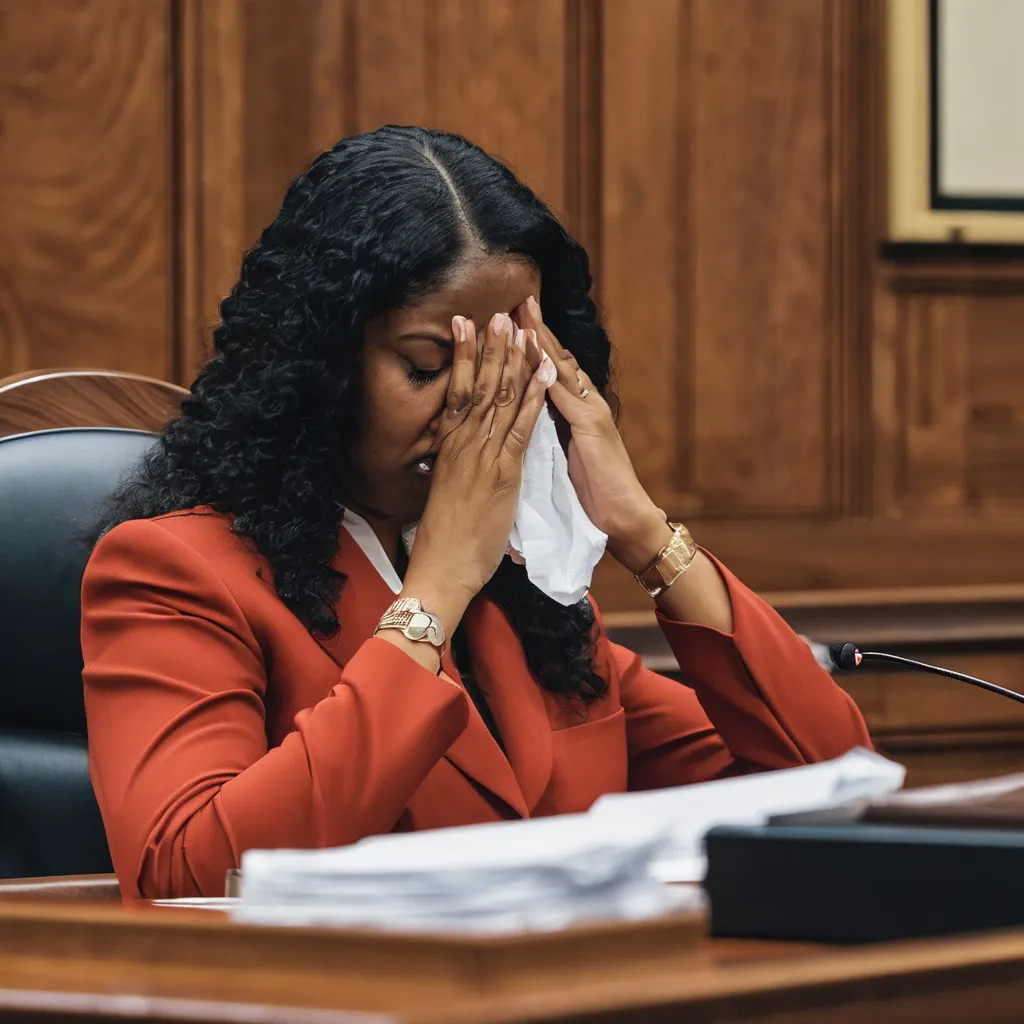
Representation Options: A True Comparison
Representation Options: A True Comparison
Nov 02, 2024
Criminal Law Education
Public Defender vs. Private Attorney vs. Pro Se DIY Law: What They Don't Tell You About Your Defense Options
Let's talk honestly about one of the biggest decisions you'll ever make - how to handle your legal defense. No sugar-coating, no sales pitch, just real talk about what each option really means for you.
The Stakes Are Real
First, let me share a story that changed how I view this whole situation. James (not his real name) had three options when faced with criminal charges: a public defender who had 300 other cases, a private attorney who wanted $25,000, or handling it himself. His choice? Well, it's complicated - and that's exactly why we need to talk about this.
The Truth Nobody Tells You
Let's break down each option, warts and all:
Public Defenders: The Misunderstood Heroes
Here's something that might surprise you: some of the best trial lawyers I know are public defenders. But there's a catch - a big one.
The Real Deal on Public Defenders:
Pros:
✓ Free or very low cost
✓ Deep knowledge of local courts
✓ Daily experience with your type of case
✓ No financial motivation in advice
✓ Often better plea deals
Cons:
• Overwhelming caseloads
• Limited time per case
• Minimal client communication
• System pressure
• Resource limitations
Private Attorneys: The Expensive Truth
Let's talk money for a minute - because nobody else wants to. When someone says "get a private attorney," what they're really saying is "got an extra $20,000-50,000 lying around?"
The Money Talk
Here's what private attorneys don't put in their commercials:
Real Cost Breakdown:
• Retainer: $5,000-15,000
• Trial fee: $15,000-50,000+
• Expert witnesses: $2,000-10,000 each
• Investigation costs: $2,000-5,000
• "Unexpected" expenses: endless
But here's the real kicker - paying more doesn't always mean getting more.
Quality Check: The Hard Truth
Let me be brutally honest: I've seen $500-an-hour attorneys who couldn't try a case to save their lives, and I've seen moderately priced lawyers who are absolute courtroom warriors.
I have known attorneys with addiction problems who will take the $5,000 retainer and blow it in the first week--not on the case, but on their vices. Then, they sit on the case and do nothing. They do no discovery. They do not aggressively collect the evidence, secure the video recordings before they are erased if they are favorable to the defense, and locate vital witnesses and take their statements.
Then, after months of delay and lost opportunities, when it is time for the pretrial conference, they will coerce their clients to plea bargain. They will demand an additional $15,000-$25,000 to try the case when that fails. When you do not cough up the money within a few weeks, then they file a Motion to Withdraw from representation, claiming that you failed to pay and honor your end of the agreement.
The judge signs the order, allowing them to dump you all alone on the eve of the trial without any discovery and often without your file. You are worse off than if you would have just handled it yourself from the beginning.
But, I digressed. We were discussing the cost of private attorneys and what you get for your money compared to the overworked pubic defenders.
What You're Really Paying For:
✓ More face time
✓ Faster responses
✓ Smaller caseload
✓ Personalized attention
✓ Resource availability
What Money Can't Buy:
• Any enforceable guarantee that you will actually receive what you paid for
• Guaranteed outcomes--attorneys are not allowed to guarantee outcomes
• Judicial favoritism--often egos cloud their vision on ability to sway
• Better laws--judges do not even allow juries to know about jury nullification
• System shortcuts--hacking the system
• Miracle solutions--if only!
Reality: The Private Attorney Experience
Sarah's Story: "I spent my life savings ($30,000) on a private attorney who looked great on paper. Then I found out he hadn't actually tried a case in five years. He was terrified of going to trial and pressured me to take a terrible plea deal."
The Warning Signs:
🚩 All hyped up with grand ideas, emotions, and assurances when you meet
🚩 Won't discuss trial experience or hedges it with puffery
🚩 Promises specific outcomes and claims it is in the bag, a walk in the park, etc.
🚩 Pressures quick decisions by instilling fear or an artificial deadline
🚩 Avoids cost discussions and does not put it in writing
🚩 Too busy to meet after you have signed a contract and paid the money
Pro Tip: Ask potential private attorneys when they last went to trial - and ask for the case number so you can verify. Most courts will allow you to access their database on cases. Search in the database for the private attorney's name and see how many cases they have handled, how many went to trial, and how many plea bargained. Of those cases that went to trial, did they win or lose? Were they appealed or not? Of those cases that were plea bargained, did the client go to jail or prison, or was the probation re-instated?
Pro Se DIY Law: The Real Deal
Now, let's talk about presenting yourself--or, as lawyers and courts call it, "pro se" representation. They often use that term as a derogatory, demeaning, or dehumanizing epithet. However, historically, people have handled their own legal affairs.
Only when the states started regulating the practice of law and requiring lawyers to become licensed attorneys controlled by the state did the notion of representation take on a more toxic meaning. Today, it is upside down. Rather than having the norm be people handling their legal affairs, the regulated monopolized bar has shoved the people out of their own courts and required them to enter only when escorted and accompanied by a bar member with a license to navigate within the legal system.
Sadly, the legal system has continued to make the court inaccessible to the ordinary person. Many courts exclude the public from public places to maintain the secrecy, privacy, and privilege of the licensed ones and the black robes.
Never underestimate the power of the bar over all licensed attorneys because state bars are unconstitutional monopolies that give and take licenses. The bar is both the "regulator" of the practice of law and the union to protect the licensed members. Talk about a huge conflict of interest! This has led to an abuse of power by many upper-echelon attorneys within the bar.
Most attorneys, whether private or public defender, will protect their license over any single case, client, cause, or case-specific principle. Every attorney knows that a complaint filed by a judge or prosecutor will have far more sway over the upper echelon of the bar than any complaint filed by a client or the public.
Every defense attorney knows the ramifications of bucking the system, going against the grain, upsetting the status quo, or challenging the mere ipse dixit of the powerful.
It is difficult to imagine a criminal case that does not involve the need to do all of the above, but very few attorneys will. They do not last long in corrupt courts.
Pro se, or entering the courts independently without an escort, is not for everyone, but it might be for you. Then again, you may have no choice.
The Truth About Going Solo:
What You Need:
• Time (lots of it)
• Research skills
• Emotional control
• Organizational ability
• Support system
What You Don't Need:
• Law degree
• Perfect knowledge
• Unlimited resources
• Prior experience
• Legal connections
Can I Do This?
We have written an exploratory guide entitled "Can I Do This?" It's is the first guide in our introductory series and it can be downloaded on our website. BackpocketLawyer.com/cani
Making The Call: How to Actually Decide
Okay, let's get practical. You need to make this decision, and you need to make it now. Here's your real-world decision framework.
The Case Reality Check
First, ask yourself these make-or-break questions:
Complexity Level:
□ Simple traffic case
□ Misdemeanor
□ Non-violent felony
□ Serious felony
□ Multiple charges
Pro Tip: The further down this list you go, the more risk involved in handling the case yourself. However, in all these cases, much of the pretrial work can be done to save yourself money. It is critical that the evidence be secured and witnesses located within the first month following an arrest.
There is a reason that the Constitution ensures a right to a speedy trial. Evidence is lost or destroyed; witnesses' memories fade, and other evidence grows stale.
The Time Factor
Be honest with yourself about time:
Public Defender:
• You do: Minimal time investment
• They do: All legal work
• But: Limited communication
• Reality: Hurry up and wait
• Control: Minimal
Private Attorney:
• You do: Moderate involvement
• They do: Heavy lifting
• But: Expensive hand-holding
• Reality: Pay for attention
• Control: Moderate
Pro Se DIY:
• You do: Everything
• They do: Nothing
• But: Total control
• Reality: Second full-time job
• Control: Complete
Real World Example: Mike's Choice
"I had three weeks of vacation saved up, a decent understanding of my case, and zero dollars for an attorney. DIY made sense to me. But I also had a misdemeanor case - if it had been a felony, I wouldn't have risked it."
The Money Reality
Let's break down the real costs:
Public Defender:
• Free to minimal cost
• Some court fees
• Lost work time
• Transportation costs
• Document fees
Private Attorney:
• Retainer: $5,000-15,000
• Monthly bills
• Court costs
• Expert witness fees
• "Extras"
Pro Se DIY:
• Court filing fees
• Copy/printing costs
• Expert witnesses
• Lost work time
• Research materials
Success Rate Reality Check
Here's something nobody talks about - success rates aren't what you think:
Public Defenders:
• Trial success: Similar to private attorneys
• Plea deals: Often better
• System knowledge: Excellent
• Time per case: Minimal
• Client satisfaction: Lower
Private Attorneys:
• Trial success: Varies widely
• Plea deals: Case-dependent
• System knowledge: Varies
• Time per case: More
• Client satisfaction: Higher
Pro Se DIY:
• Trial success: Lower depending upon training and coaching
• Plea deals: Harder to get if there is no system and tactics training
• System knowledge: Learning curve requires practice
• Time per case: Maximum
• Control level: Complete
Making Your Decision: The Framework
Ask yourself these questions:
1. Case Severity:
• What's really at stake?
• Worst possible outcome?
• Long-term consequences?
• Collateral effects?
• Future impact?
2. Personal Resources:
• Available funds?
• Time commitment?
• Support system?
• Research abilities?
• Stress tolerance?
3. Case Specifics:
• Evidence strength?
• Legal complexity?
• Witness issues?
• Technical aspects?
• Time sensitivity?
Success Strategies: Making Your Choice Work
Now that you've made your choice (or you're getting close), let's talk about how to maximize your chances of success with each option. Because knowing which path to take is only half the battle.
Working With a Public Defender
First, forget everything you've heard about public defenders being "bad lawyers." The real challenge is getting their attention. Here's how:
The Squeaky Wheel Strategy:
✓ Document everything
✓ Organize your paperwork
✓ Write clear, concise summaries
✓ Make yourself memorable (in a good way)
✓ Be their easiest client
Pro Tip: Public Defenders do not make as much money as private attorneys. They have a much higher case load. So, they appreciate your partnership more than a private attorney.
Sally said, "I created a one-page case summary for my public defender. She told me it was the first time in 10 years a client had done that. Guess who got extra attention?"
Making Your Public Defender Work For You:
• Be polite but persistent
• Have questions ready
• Keep communications brief
• Respect their time
• Help them help you
Maximizing Private Attorney Value
If you're paying big money, get your money's worth:
The Accountability Checklist:
□ Weekly update requirements
□ Strategy discussions
□ Cost breakdowns
□ Timeline expectations
□ Communication protocols
Red Flags to Watch For:
🚩 Missed appointments
🚩 Unreturned calls
🚩 Vague answers
🚩 Constant delays
🚩 Strategy changes without explanation
Pro Se DIY Success Plan
Going it alone? Here's your roadmap:
Essential First Steps:
1. Get organized (like your life depends on it)
2. Create case timeline
3. Gather all documents
4. Start legal research
5. Build support system
Daily Habits:
• Document everything
• Research one legal issue
• Review court rules
• Practice speaking
• Update case file
The Support System You Need
No matter which option you choose, you need backup:
Your Core Team:
• Legal researcher (friend/family)
• Document organizer
• Emotional support
• Technical helper
• Court observer
Resources You Need Now:
We've created several resources to help:
✓ Case Evaluation Checklist
✓ Attorney Interview Guide
✓ Self-Rep Starter Kit
✓ Document Templates
✓ Resource Directory
Download them all at BackpocketLawyer.com/defense-choices
Remember: The best representation is the one you can actually get and use effectively. The bottom line is you want to present the best defense possible. That often requires a hybrid approach, so you never abdicate decisions or rights to an attorney. You must stay actively involved and committed.
Pro se DIY is not for those who abdicate all authority over their lives and forfeit their agency. It is not for the weak or faint of heart. It is not for those who cannot focus, follow through, and fight for their rights.
Pro se DIY is for people who will do whatever it takes to win and overcome adversity. It is for those willing to learn, expand their horizons, and try new things.
You can always hire an experienced trial attorney to try the case, but you can do most of the pretrial work better than most attorneys by learning and using the Backpocket Lawyer system.
Need More Help?
✆ Post: Facebook.com/backpocketlawyer
✉ Email: [email protected]
💻 Visit: BackpocketLawyer.com
Download the free guide "Can I Do This?"
Invest in our Trilogy offering, which includes Courtroom Decorum, Pretrial Preparation, and AI Assistance GPT.
Or invest in the full introductory series, which includes Courtroom, Decorum, Pretrial Preparation, AI Assistance GPT, Advocacy, and Post-Trial and Appeal.
[Download our complete Defense Choice Strategy Kit]
Final Thought: There's no perfect choice - just the best choice for your situation. Make it, then make it work.
Stay strong,
Liberty
Backpocket Lawyer
LegalDefense #KnowYourRights #LegalChoices
Quick Reference Box:
📋 Save This Template:
Case Summary:
• Key dates
• Witness list
• Evidence inventory
• Time deadlines
• Action items
About the Author: This guide comes from years of seeing both sides of the system - the pressure to plead and the power of standing firm. Share it. Use it. Fight back.
Need Help? Check our website for more resources to provide support and guidance.
Important Notice
This blog post is for informational purposes only and is not legal advice. Always consult with a qualified legal professional about your specific situation.